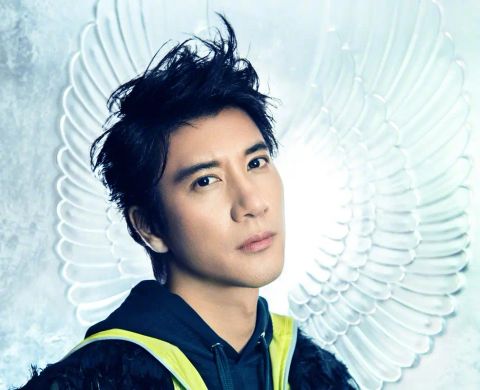
Leehom Wang
Mandarin pop singer, music producer, and songwriter. He debuted in 1995. He is known for his solid classical musical training and his “Chinked-out” style, which blends Eastern and Western musical elements. During the R&B and hip-hop wave that swept through the Mandarin pop music scene in the 2000s, he was one of the most influential male singer-songwriters.
About
Leehom Wang (Leehom Wang), born on May 17, 1976, in New York State, USA, is a top singer-songwriter in the Mandarin pop music scene who combines immense commercial appeal with a background in classical music production. He attended Williams College and the Berklee College of Music, where his deep grounding in classical Western music education and training in modern pop music production laid the foundation for his future development as a highly versatile artist in the Mandarin-language music industry.
In 1995, Leehom Wang officially debuted in Taiwan with the release of his first solo album, *Beethoven, My Rival*. During his early years with Linfair Records (Linfair Records) and BMG, he was primarily marketed as a sunny, high-quality idol, with a musical style centered on traditional Mandarin ballads. After signing with Sony Music in 1998, Leehom Wang experienced a transformative shift in his career. With his album *Orbital and Rotational*, he introduced R&B (Rhythm and Blues)—a style then rare in the Chinese music scene—on a large scale, and went on to win both Best Mandarin Male Singer and Best Record Producer at the 10th Golden Melody Awards, becoming the youngest double winner in the awards’ history.
Leehom Wang’s most significant aesthetic contribution to the Mandarin music industry lies in the “Chinked-out (Chinese Hip-Hop)” concept he created and promoted. In concept albums such as *Sun and Moon in My Heart* (2004) and *Unrivaled Hero* (2005), he pioneered the deep, foundational sampling and fusion of American street hip-hop and R&B beats with traditional Chinese ethnic music, Peking Opera, Kunqu Opera, and traditional instruments (such as the erhu and pipa). This production philosophy of blending Eastern and Western elements not only achieved tremendous commercial success but also expanded the international expressive context of Mandarin-language pop music on a cultural level.
In terms of record production, Leehom Wang is renowned as an “all-around musician,” often single-handedly handling composition, arrangement, multiple instrumental performances, vocal harmonies, and mastering for his solo albums. The acoustic quality of his studio albums has long been on par with the top standards of the U.S. recording industry. Industry critics view Leehom Wang’s extensive discography as a successful model of how the combination of transnational music capital and highly educated overseas Chinese musicians can bring about a high-caliber, modern reinterpretation of local pop culture.
Works
No works collected yet