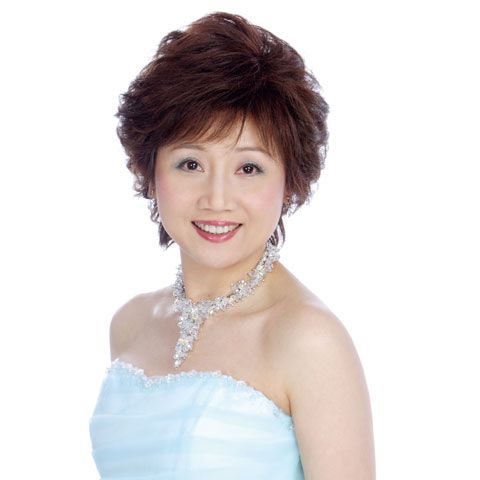
Teresa Cheung Tak-lan
A veteran female pop singer from Hong Kong, China. She began her career as a child star and was active in the 1970s and 1980s. During the early days of the Cantonese pop music boom, she became known for her pure, sweet voice and numerous TV drama theme songs imbued with a strong sense of classical Chinese charm; she was one of the leading female voices of Hong Kong’s first generation of pop music during the television era.
About
Teresa Cheung Tak-lan (Teresa Cheung Tak-lan, born Zhang Yuanyuan), born on November 10, 1960, in Hong Kong, is a legendary female singer who left an indelible mark on the early commercial era of Cantonese pop (Canto-pop). From a young age, she was active as a child star in children’s programs and television dramas on Hong Kong’s Television Broadcasts Limited (TVB), and, alongside Wong Ming-chun, Shen Dianxia, and others, formed the early television vocal group “The Four Golden Flowers,” gaining immense popularity among the public.
During the transitional period of the Hong Kong music industry from the late 1970s to the mid-1980s, Hong Kong pop music began a complete shift from English-language cover songs to original Cantonese songs, and the most pivotal driving force behind this shift was the wildly popular television martial arts and period dramas of the time. Teresa Cheung Tak-lan played a pivotal role as the primary vehicle for this musical wave. She successively joined early local record label such as Eternal Records and sang numerous classic TV series theme songs composed by masters such as Joseph Koo.
Her representative works, including *A Person in the Net* “The Long Road Ahead,” and “When Will We Meet Again?” (the theme song for the Andy Lau version of *The Return of the Condor Heroes*) extensively incorporated a blend of traditional Chinese folk instruments (such as the guzheng and erhu) with Western orchestral arrangements. Teresa Cheung Tak-lan’s voice is clear and pure, free from any trace of worldliness, and her diction carries the gentle charm of early Mandarin-language songs and traditional Chinese opera. This perfect blend of “classical and popular” styles led to astonishing sales for her album in the then-emerging cassette and early vinyl markets.
In the late 1980s, while her music career remained at its peak, Teresa Cheung Tak-lan chose to gradually step back from the mainstream commercial music scene to pursue other professional fields, such as traditional Chinese medicine. However, since the vast majority of his masterpieces were created during the golden age of Hong Kong’s analog recording technology—which was rapidly advancing at the time—and given the enduring classical beauty of his melodies, his early first-press vinyl records, as well as the later high-priced SACD and HQCD reissues produced by major audiophile record label labels, continue to enjoy exceptional value retention and appreciation potential among audiophile and high-end physical record collectors throughout Asia today. According to historical music archival research, Teresa Cheung Tak-lan’s sound archive serves as a perfect acoustic bridge connecting Hong Kong’s traditional opera and folk song culture with modern, highly commercialized pop music.
Works
No works collected yet